Get Insulated Siding Installation in Denver County, CO
Insulated siding installation services help Denver County property owners improve energy efficiency, enhance curb appeal, and address issues like drafts, leaks, and damaged exteriors through professional siding upgrades.
Insulated siding installation services are a practical choice for property owners in Denver County, CO seeking to enhance their homes’ energy efficiency and comfort. By adding a layer of insulation beneath or behind the siding, homeowners can reduce heat transfer, helping to maintain consistent indoor temperatures throughout the year. This can lead to lower heating and cooling costs, making it a cost-effective upgrade that contributes to overall home functionality and energy savings.
Beyond energy efficiency, insulated siding offers increased durability and reduced maintenance, helping homes withstand Denver’s varied weather conditions more effectively. It can also improve the curb appeal of a property by providing a sleek, uniform appearance that resists cracking and warping over time. Many property owners consider this upgrade for its ability to boost safety, protect the structure, and enhance the visual appeal of their homes with minimal ongoing effort.
Insulated Siding Installation Services
- Energy-efficient home upgrades - homeowners seeking to improve insulation and reduce energy costs may consider insulated siding installation.
- Home renovation projects - individuals updating the exterior of their residence in Denver County or surrounding areas might opt for insulated siding.
- Weather-resistant exterior improvements - residents in regions with harsh climates often look for siding that offers added protection and insulation.
- New construction exterior finishing - builders and contractors may include insulated siding in new residential or commercial building projects.
- Siding replacement or repair - property owners replacing old or damaged siding may choose insulated options to enhance thermal performance.
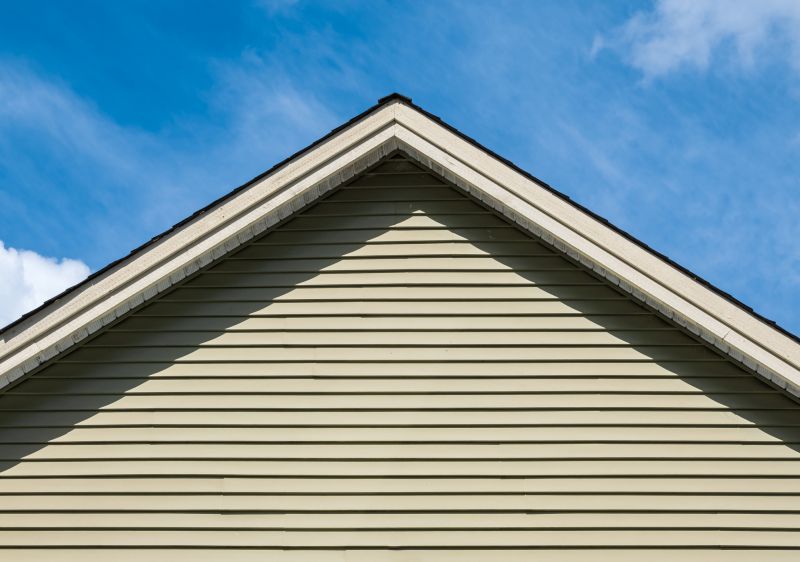
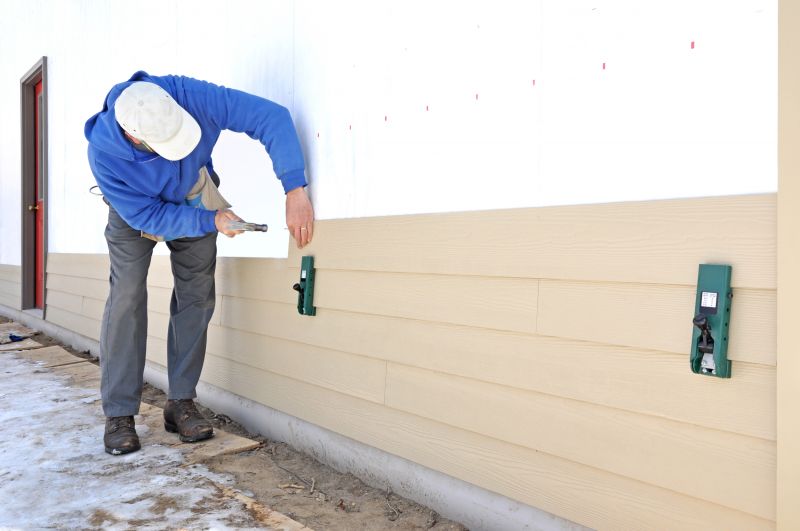
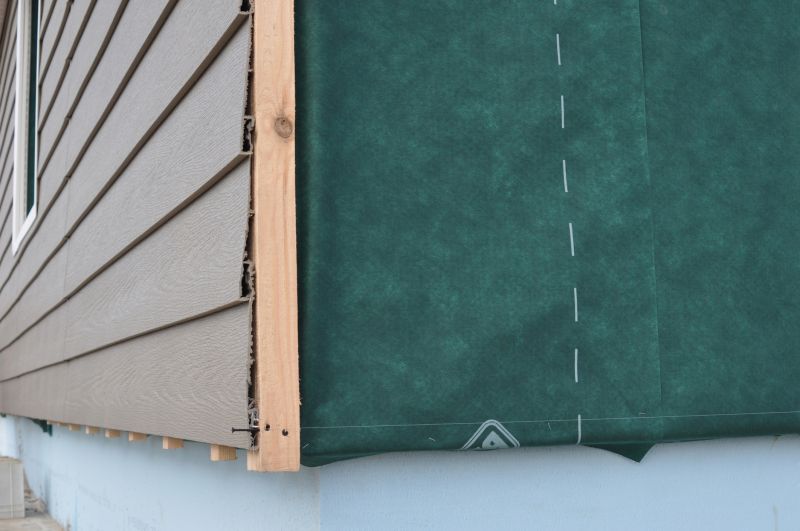
Insulated siding installation services involve attaching specialized siding materials that incorporate insulating properties to the exterior of a property. This process typically includes removing existing siding, preparing the surface, and then applying insulated panels or siding products designed to improve thermal performance. The installation aims to enhance the energy efficiency of a building by reducing heat transfer through the exterior walls, which can lead to decreased heating and cooling costs. Skilled service providers ensure that the insulated siding is properly fitted and sealed to maximize its insulating capabilities and protect against moisture infiltration.
This service addresses common problems such as drafts, uneven indoor temperatures, and high energy bills caused by inadequate insulation. Without proper exterior insulation, properties may experience significant heat loss during colder months and heat gain during warmer periods, leading to increased reliance on HVAC systems. Insulated siding installation helps create a more consistent indoor climate by providing an additional thermal barrier. Additionally, it can improve a building’s exterior appearance, offering a more uniform and aesthetically pleasing facade while also adding a layer of protection against weather-related damage.
Properties that often utilize insulated siding installation include residential homes, especially those seeking to improve energy efficiency or update their exterior appearance. Single-family houses, multi-family complexes, and manufactured homes are common examples. Commercial buildings, such as small office structures or retail spaces, may also benefit from this service when seeking to enhance insulation and reduce operational costs. Insulated siding is especially advantageous for properties located in regions with significant temperature fluctuations, where maintaining stable indoor conditions is a priority.
Professional installation services typically work with a variety of insulated siding products, including foam-backed vinyl, fiber cement, and other composite materials. These options are suitable for different property types and aesthetic preferences. Service providers assess each property’s specific needs, considering factors like existing exterior conditions, local climate, and desired insulation levels. The goal is to deliver a durable, energy-efficient exterior solution that not only improves comfort but also extends the lifespan of the building’s exterior components.
The overview below groups typical Insulated Siding Installation projects into broad ranges so you can see how smaller, mid-sized, and larger jobs often compare in Denver County, CO.
In many markets, a large share of routine jobs stays in the lower and middle ranges, while only a smaller percentage of projects moves into the highest bands when the work is more complex or site conditions are harder than average.
Material and Size Costs - Insulated siding installation costs typically range from $4,000 to $12,000 depending on the size of the home and chosen materials. Larger homes or premium siding options tend to be at the higher end of this range. Local pros can provide detailed estimates based on specific project needs.
Labor Expenses - Labor fees for insulated siding installation generally fall between $1,500 and $4,500. The complexity of the job and local labor rates influence the overall cost. Contact local service providers for precise pricing tailored to the project scope.
Additional Materials and Prep - Costs for additional materials such as insulation, trim, and weather barriers may add $500 to $2,000 to the total. Proper preparation and material quality can impact both the price and durability of the installation. Local pros can advise on necessary extras for specific homes.
Total Project Cost - Overall costs for insulated siding installation typically range from $6,000 to $18,000. Variations depend on home size, material choices, and project complexity. Getting multiple quotes from local contractors can help identify the best value for the specific project.
Actual totals will depend on details like access to the work area, the scope of the project, and the materials selected, so use these as general starting points rather than exact figures.
Insulated Siding Installation services involve attaching energy-efficient siding to improve a building’s thermal performance and exterior appearance. Local pros can assist in selecting and installing insulated siding suited to specific property needs.
Exterior Cladding Projects include installing insulated siding as part of broader exterior renovation efforts to enhance durability and insulation. Contractors can coordinate these projects to ensure proper integration with existing structures.
Home Insulation Upgrades often involve adding insulated siding to increase a building’s energy efficiency. Professionals can help evaluate and implement siding options that complement existing insulation systems.
Commercial Building Siding services include the installation of insulated siding to improve energy performance and curb appeal for commercial properties. Local contractors are experienced in handling various commercial siding projects.
Siding Replacement and Repair projects may incorporate insulated siding to replace outdated or damaged exterior surfaces. Skilled service providers can ensure proper removal and installation for long-lasting results.
Energy Efficiency Improvements can be supported by insulated siding installation, which helps reduce heating and cooling costs. Local siding specialists can recommend solutions tailored to specific building requirements.
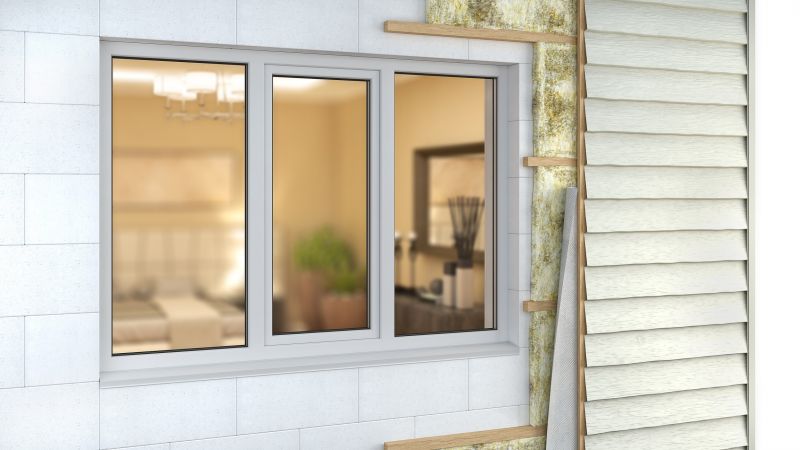
When selecting a professional for insulated siding installation, it is important to consider their experience in the field. Homeowners should look for local contractors who have a proven track record of completing similar projects, ensuring they possess the necessary skills and familiarity with the specific requirements of insulated siding. Gathering information about their past work can help determine their level of expertise and confidence in handling projects of varying complexity.
Clear communication and well-defined expectations are vital when working with a siding installation service provider. Homeowners are encouraged to discuss project scope, materials, and timeline details upfront to avoid misunderstandings. Reputable local pros typically provide written estimates and detailed descriptions of their services, which can serve as a useful reference throughout the project. This transparency helps establish a professional relationship and ensures everyone is aligned on the work to be performed.
Reputable references and reviews can offer valuable insights into a contractor’s reliability and quality of work. Homeowners should seek out local pros with positive feedback from previous clients, which can be verified through referrals or online reviews. Additionally, effective communication throughout the process-such as prompt responses and willingness to answer questions-can indicate a contractor’s professionalism and commitment to customer service. Since this platform connects homeowners with local service providers, it is advisable to review multiple options to find a siding specialist who aligns with individual project needs and expectations.
Property owners in Denver County, CO use Insulated Siding Installation services for practical projects around their homes and businesses. The sections below highlight everyday jobs and straightforward project options.
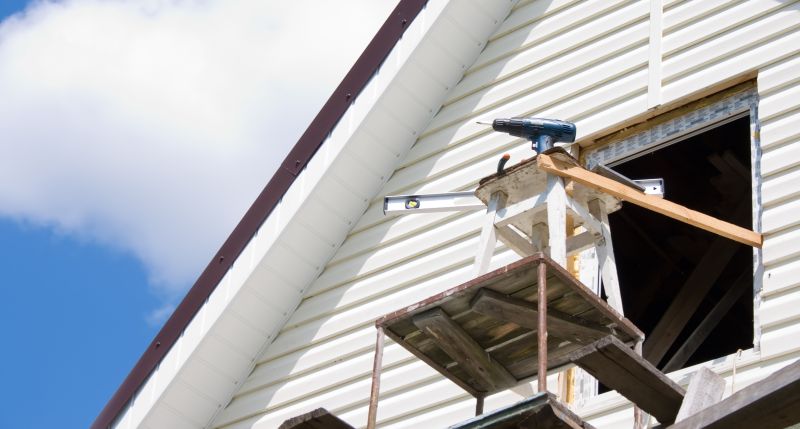
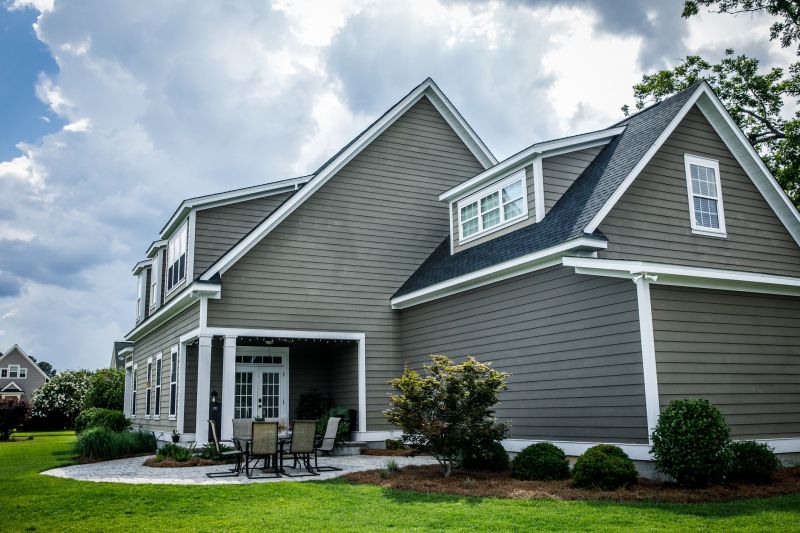
Insulated siding installation is a common project for property owners in Denver County, CO looking to improve the energy efficiency of their homes. During colder months, many residents seek to enhance insulation to reduce heating costs and maintain a more comfortable indoor environment. Additionally, property owners may consider this upgrade when their current siding shows signs of wear or damage, aiming to boost curb appeal while addressing insulation concerns.
In some cases, homeowners or building managers may pursue insulated siding to better protect their properties from the elements, especially given Denver’s variable weather conditions. This service can also be part of larger renovation efforts or updates to meet aesthetic preferences. Local service providers can assist with selecting suitable materials and ensuring proper installation to meet these needs.
What are the benefits of insulated siding? Insulated siding can improve energy efficiency, enhance curb appeal, and provide additional exterior protection for homes.
How long does insulated siding installation typically take? The duration of installation varies based on the size of the property and the complexity of the project, but generally ranges from a few days to a week.
Can insulated siding be installed over existing siding? Yes, in many cases, insulated siding can be installed over existing siding, but a professional assessment is recommended to determine the best approach.
What types of materials are used for insulated siding? Common materials include vinyl, fiber cement, and wood-based sidings, each with insulation options available.
Is insulated siding maintenance-intensive? Insulated siding typically requires minimal maintenance, such as periodic cleaning, to keep it looking its best.
Benefits of Insulated Siding - Installing insulated siding can improve energy efficiency and enhance the exterior appearance of a property. Local contractors can provide options tailored to specific needs and preferences.
Choosing the Right Insulated Siding - There are various styles and materials available to match different architectural styles and budgets. Consulting with local experts can help identify the best solutions for each property.
Installation Considerations - Proper installation is crucial for maximizing insulation benefits and ensuring durability. Experienced service providers can handle the installation process efficiently and correctly.
Maintenance and Longevity - Insulated siding typically requires minimal upkeep but benefits from regular inspections. Local pros can advise on maintenance practices to prolong its lifespan.
Considering Insulated Siding Installation for a property in Denver County, CO? The sections above highlight common project types, practical options, and details that often shape the scope of work.
When you are ready, use the quote form to share a few details about your project. Local pros can review the basics and respond with options that match what you have in mind.